TL;DR & Video OverviewIf you prefer a quick visual overview of applying topical pour-ons like CyLence along the spine alongside systemic treatments, watch this step-by-step video before diving into the full protocol details below: Watch: "Treating Goats With Lice | Kids and Adults" by Linessa Farms (https://www.youtube.com/watch?v=uvUZ_xdB6kI)[cite: 1]Key Takeaways: Detection & Timing: Parasites bloom as coat densities change in spring and fall. Always check under thick double coats. Topical Application: Pour-on treatments (like CyLence) are applied directly to the skin along the spine from the neck to the tail base. Combination Strategy: Pairing topical treatments with systemic dewormers addresses both surface-crawling lice and blood-sucking parasites. In our previous journal entry, Fall Parasite Prevention: How to Detect and Treat Sucking Lice in Goats, we shared how a sudden seasonal shift on the Georgetown Divide triggered a severe sucking lice outbreak in our herd—and how a rapid, multi-product response saved the rest of the livestock.When dealing with blood-sucking parasites in dense fall coats, a single treatment rarely cuts it. To fully eradicate the infestation across our goats, Livestock Guardian Dogs (LGDs), bedding, and perimeters, we utilized a custom combination of Permethrin, CyLence, and an Insect Growth Regulator (IGR), followed by systemic Ivermectin.Here is what each component does and why using them together creates a bulletproof treatment protocol:1. Permethrin (The Rapid Contact Killer)What It Is: A synthetic pyrethroid insecticide that targets the nervous system of adult insects on contact.How It Works: Permethrin provides an immediate knock-down of active adult lice crawling on coats, bedding, and barn walls.Application: Used in our spray mix to cover the entire body of all goats and LGDs, as well as heavily treating pen perimeters, sleeping areas, and bedding where pests hide.2. CyLence (The Long-Lasting Topical Guard) What It Is: A ready-to-use Cyfluthrin pour-on solution specifically formulated to control biting and sucking lice on livestock. How It Works: CyLence spreads through the natural oils of the coat, providing direct residual protection against surface parasites. Application: Integrated into our topical solution to ensure the coat remains an inhospitable environment for any surviving pests over the following days. 3. Insect Growth Regulator / IGR (The Lifecycle Interrupter)What It Is: A compound (like Pyriproxyfen or Methoprene) that mimics juvenile hormones in insects.How It Works: While Permethrin and CyLence kill adult lice, they do not always destroy unhatched lice eggs (nits). IGR prevents larvae from developing into reproductive adults, breaking the lifecycle completely. Application: Mixed into the topical spray for comprehensive environment and herd application.4. Ivermectin (The Systemic Secondary Defense)What It Is: A systemic antiparasitic administered orally or subcutaneously.How It Works: Because sucking lice actively feed on the host's blood, Ivermectin enters the bloodstream, killing parasites that bite the animal after topical application. The 14-Day RuleNo chemical protocol is complete without timing. Because parasite eggs hatch on a predictable timeline, we logged the initial treatment in our livestock management software and set a non-negotiable alert 14 days out. Reapplying the topical spray at the 14-day mark eliminates newly hatched nymphs before they reach maturity and lay new eggs. Disclaimer: Always check product labels, consult your local veterinarian, and follow proper dilution and withdrawal guidelines for your specific herd weight and age. Main Call to Action: Want to stock up your ranch medicary before parasite season hits? Check out our recommended livestock care products below, or subscribe to the ing.farm journal for more practical herd management guides.
Animal Care
The Chemical Protocol: Understanding Permethrin, Cylence, and Igr for Goat Lice
By LWI3
Published · Updated
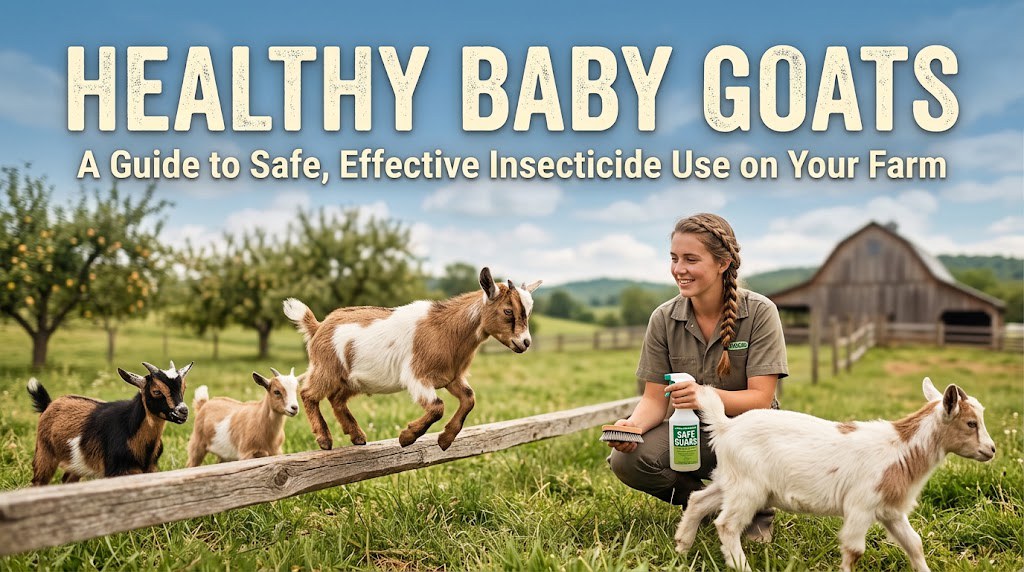
Following our recent post on autumn lice outbreaks, here is a detailed breakdown of the exact trio—Permethrin, CyLence, and IGR—used to kill active lice, target eggs, and protect herd perimeters.
Newsletter Information